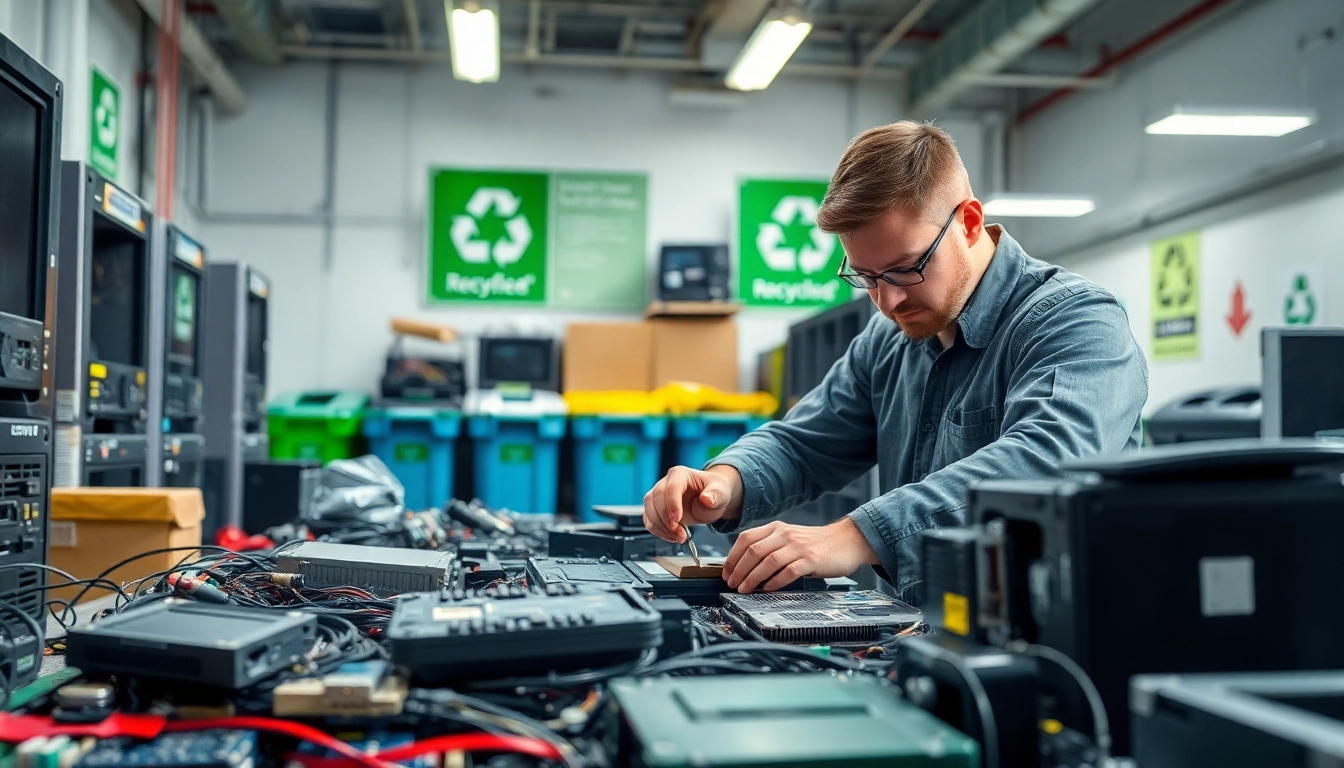
Understanding Local Computer Recycling
What is Local Computer Recycling?
Local computer recycling refers to the process of responsibly disposing of obsolete or unused electronic devices within a specific community or locality. This process involves collecting old computers, laptops, monitors, and other electronic components, and then processing them in an environmentally sustainable manner. Rather than allowing these devices to end up in landfills, local recycling initiatives aim to ensure that the materials are either safely discarded or repurposed.
Importance of Local Computer Recycling
Engaging in local computer recycling is vital for both environmental protection and community health. Each year, millions of tons of electronic waste (e-waste) are produced globally, much of which contains hazardous materials such as lead, mercury, and cadmium. These substances can leach into the soil and water, posing serious health risks. By promoting local recycling efforts, communities can mitigate these dangers while also recovering valuable materials that can be reused, such as metals and plastics. For more information on local recycling initiatives, visit local computer recycling.
Common Misconceptions about Computer Recycling
Despite its importance, several misconceptions surround the concept of computer recycling. A prevalent myth is that all e-waste recycling is safe and eco-friendly. However, not all facilities comply with environmental regulations, and improper recycling can lead to significant ecological harm. Another misconception is that recycling is too complicated or expensive. In reality, many local governments provide free resources and services to help residents recycle their electronics efficiently.
Benefits of Local Computer Recycling
Environmental Impacts of E-Waste
The environmental consequences of improper electronic waste disposal are profound. E-waste is one of the fastest-growing waste streams, and much of it contains toxic substances that can harm ecosystems. When electronics are not recycled properly, they contribute to pollution and increased carbon emissions. By recycling locally, communities can significantly lessen their environmental footprint by ensuring safer disposal methods and recovering materials that can be repurposed.
Financial Advantages of Recycling
While the primary focus of computer recycling often emphasizes environmental benefits, there are also significant financial advantages. By recycling unwanted electronics, communities can create jobs in recycling facilities and boost the local economy. Additionally, recovering valuable materials such as copper and aluminum can reduce the need for raw resource extraction, which is often costly and environmentally damaging.
Supporting Community Initiatives through Recycling
Local computer recycling not only benefits the environment and economy but also strengthens community ties. Recycling programs can encourage residents to engage in sustainable practices, leading to a more environmentally conscious community. Furthermore, many local initiatives are often accompanied by educational programs aimed at teaching residents about sustainability, resource conservation, and responsible consumption.
Best Practices for Local Computer Recycling
How to Prepare Electronics for Recycling
Preparing electronics for recycling is an essential step in the recycling process. First, consumers should remove any personal data from their devices, which can be done by factory resetting them. Next, it’s important to separate different types of electronics, as some may require special handling. Finally, individuals should store these items in a safe place until they can be taken to a recycling facility or event.
Choosing a Responsible Recycling Facility
Selecting a responsible recycling facility is crucial for ensuring that e-waste is handled properly. Consumers should look for certifications, such as e-Stewards or R2, which indicate that the recycling company meets high environmental and safety standards. Additionally, verifying the facility’s processes, including how they manage your data and what materials they recycle, is essential for peace of mind.
Understanding Local Recycling Regulations
Every locality may have different regulations regarding computer recycling. It’s important to be aware of these rules to ensure compliance and maximize recycling efforts. Local governments often provide resources and guidelines on what can be recycled, the locations of recycling drop-off points, and any upcoming e-waste collection events. Keeping informed will help residents navigate the recycling landscape effectively.
Innovations and Technologies in Computer Recycling
Efficient Recycling Processes and Techniques
Technological advancements have significantly transformed recycling processes. Techniques such as automated sorting systems, shredding technologies, and advanced separation methods enhance the efficiency and accuracy of material recovery. These innovations reduce costs and enable higher recovery rates of valuable materials while minimizing environmental impact during the recycling process.
The Role of Technology in E-Waste Reduction
Emerging technologies like artificial intelligence (AI) and machine learning are playing a pivotal role in enhancing e-waste management. These technologies can analyze recycling processes, identify inefficiencies, and even help predict future e-waste generation patterns. This data-driven approach enables recycling facilities to optimize operations and effectively plan for their futures.
Future Trends in Local Computer Recycling
The future of local computer recycling is likely to be characterized by increased emphasis on sustainability and resource efficiency. As governments and consumers become more aware of the impacts of e-waste, there will be a growing push for more comprehensive recycling programs. Innovations in biodegradable materials and upcycling practices may also emerge, leading to new ways to reduce waste and create value from discarded electronics.
Frequently Asked Questions About Local Computer Recycling
What types of electronics can be recycled?
Most electronics such as computers, monitors, keyboards, and smartphones can be recycled. Local guidelines may specify additional items or restrictions.
How does local computer recycling benefit the environment?
It prevents hazardous substances from entering landfills, conserves natural resources, and reduces greenhouse gas emissions associated with waste processing.
Are there costs associated with local computer recycling?
While some facilities might charge fees, many local programs offer free recycling events and drop-off services for residents.
Can businesses also participate in local computer recycling?
Yes, many recycling programs cater to businesses that need to dispose of outdated electronics in an environmentally responsible manner.
Where can I find local recycling programs?
Local government websites or environmental organizations often provide listings of certified recycling programs and upcoming events.