Understanding Water Leak Detection
Water leak detection is a critical aspect of maintaining your home’s integrity and efficiency. Leaks can occur in various plumbing systems, leading to significant damage and costly repairs if not addressed promptly. Understanding the various methods and technologies available for detecting leaks can save you time, money, and headaches in the long run. When exploring options, water leak detection services can provide comprehensive insights that help homeowners address potential issues before they escalate.
What is Water Leak Detection?
Water leak detection refers to the process of identifying leaks in plumbing systems, whether they are visible or hidden. This involves using advanced techniques and technologies to locate leaks without causing unnecessary damage. Leak detection services are essential for residential properties, as they help maintain water efficiency, prevent structural damage, and reduce utility bills associated with wasted water.
The Importance of Early Detection
Detecting water leaks early is crucial for several reasons. First and foremost, it helps prevent substantial water damage, which can lead to costly repairs. Mold and mildew growth, structural damage, and increased utility bills are just a few of the potential problems caused by undetected leaks. By investing in professional water leak detection services, homeowners can safeguard their property and ensure a healthier living environment.
Common Sources of Water Leaks
- Pipe Bursts: Aging pipes or those affected by freezing temperatures can burst, causing immediate leaks.
- Corroded Pipes: Over time, pipes can corrode, leading to slow leaks that may go undetected until they cause significant damage.
- Joint Failures: The connections between pipes can weaken, especially in older homes, resulting in leaks.
- Appliance Connections: Washing machines, dishwashers, and refrigerators can develop leaks at the hose connections.
- Drainage Issues: Blocked drains can lead to water build-up and leaks around fixtures.
Advanced Techniques for Water Leak Detection
Modern water leak detection employs various advanced techniques that minimize the impact on your property while providing accurate results. These methods allow professionals to locate leaks quickly and efficiently, ensuring your home is safe from water damage.
Non-Invasive Methods Explained
Non-invasive leak detection methods are designed to locate leaks without the need for excessive digging or demolition. Techniques such as pressure testing, thermal imaging, and acoustic detection allow technicians to identify the source of leaks while preserving the integrity of your home. This approach not only saves time but also minimizes disruption to your living space.
Utilizing Thermal Imaging Technology
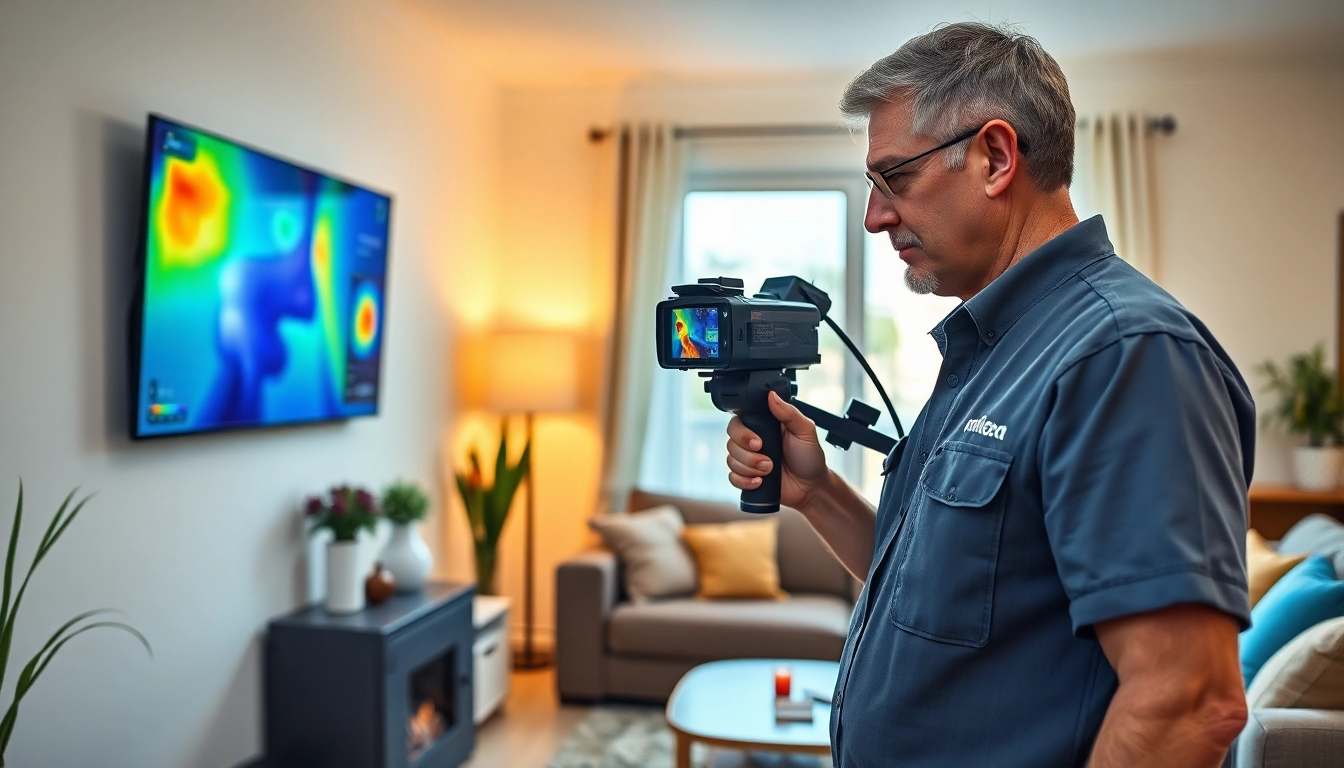
Thermal imaging cameras are powerful tools that detect temperature variations within walls, ceilings, and floors. When there is a water leak, the area around it often exhibits different temperatures due to the presence of moisture. By leveraging thermal imaging technology, professionals can quickly identify and locate leaks without invasive procedures, providing a precise diagnosis that facilitates fast repairs.
Acoustic Listening Devices: How They Work
Acoustic listening devices work by picking up the sounds of water escaping from pipes. This method is particularly useful for locating leaks in hidden or underground pipes. Professionals use sensitive microphones to detect and differentiate the sound of water flowing from a leak versus normal background noise, allowing for accurate leak identification without unnecessary excavation.
Best Practices for Homeowners
While professional water leak detection services are invaluable, homeowners can also take proactive steps to minimize the risk of leaks and manage their property’s plumbing effectively. Regular maintenance and vigilance are key components of leak prevention.
Regular Maintenance and Inspections
Carrying out regular plumbing inspections and maintenance is essential for preventing leaks. Homeowners should routinely check visible plumbing fixtures for signs of wear, corrosion, or damage. Additionally, ensure that appliances are properly connected and that there are no signs of moisture around them. Scheduling annual inspections by a certified leak detection professional can also catch potential issues before they escalate.
Signs Your Home May Have a Leak
Being aware of the signs of potential leaks can help homeowners act quickly before damage occurs. Some common indicators include:
- Unexplained increases in water bills
- Visible damp spots on walls or ceilings
- Water pooling in the yard or near the foundation
- Mold or mildew growth
- Running water sounds when no fixtures are in use
Emergency Response Steps in Case of a Leak
In the event of a suspected leak, it’s important to respond quickly to minimize damage. Start by shutting off the main water supply to prevent further flooding. Next, contact a professional leak detection service to assess the situation and provide solutions. Document any visible damage for insurance purposes, and begin cleaning and drying affected areas to prevent mold growth.
Choosing a Professional Leak Detection Service
Selecting the right leak detection service is crucial for ensuring accurate diagnosis and repair. Homeowners should consider several factors when making this decision.
What to Look for in a Leak Detection Company
When evaluating potential leak detection companies, look for credentials, experience, and customer reviews. A reputable company will employ certified technicians with a proven track record in leak detection. Additionally, ensure they utilize advanced technology and non-invasive methods to minimize disruptions to your home.
Cost Considerations for Leak Detection Services
The cost of professional leak detection services can vary widely based on several factors, including the complexity of the leak, the tools required, and the location of the problem. On average, homeowners can expect to pay between £550 to £1,250 for comprehensive leak detection. It’s advisable to obtain quotes from multiple providers and consider the value of their services relative to the potential cost of damage from undetected leaks.
Understanding Guarantees and No Find, No Fee Policies
Many leak detection companies offer guarantees and no-find, no-fee policies, which can provide additional peace of mind. These arrangements ensure that if a leak is not found, you won’t pay for the service. Always read the fine print and understand the terms and conditions associated with these guarantees to avoid surprises later on.
Future Trends in Water Leak Detection Technologies
The landscape of water leak detection is continually evolving with advancements in technology. Homeowners can look forward to new and improved solutions that enhance leak detection efficiency and effectiveness.
Emerging Technologies for 2025 and Beyond
As technology continues to evolve, new methods for detecting leaks are emerging. Advanced sensors, machine learning algorithms, and improved acoustic devices are set to provide even more accurate and timely leak detection solutions. These innovations aim to reduce the response time for leak detection, ensuring that homeowners can address issues faster than ever.
Integration with Smart Home Systems
Smart home technology is also making its way into leak detection. Integration with smart home systems allows homeowners to receive real-time alerts when leaks are detected. This proactive approach enables immediate action, potentially saving substantial costs in damage and repairs.
Predictive Maintenance through IoT
The Internet of Things (IoT) is revolutionizing how homeowners manage their properties. By utilizing sensors that monitor plumbing systems continuously, homeowners can receive alerts about abnormal usage patterns or potential leaks before they become critical. This level of predictive maintenance can significantly extend the lifespan of plumbing systems and enhance overall home safety.