
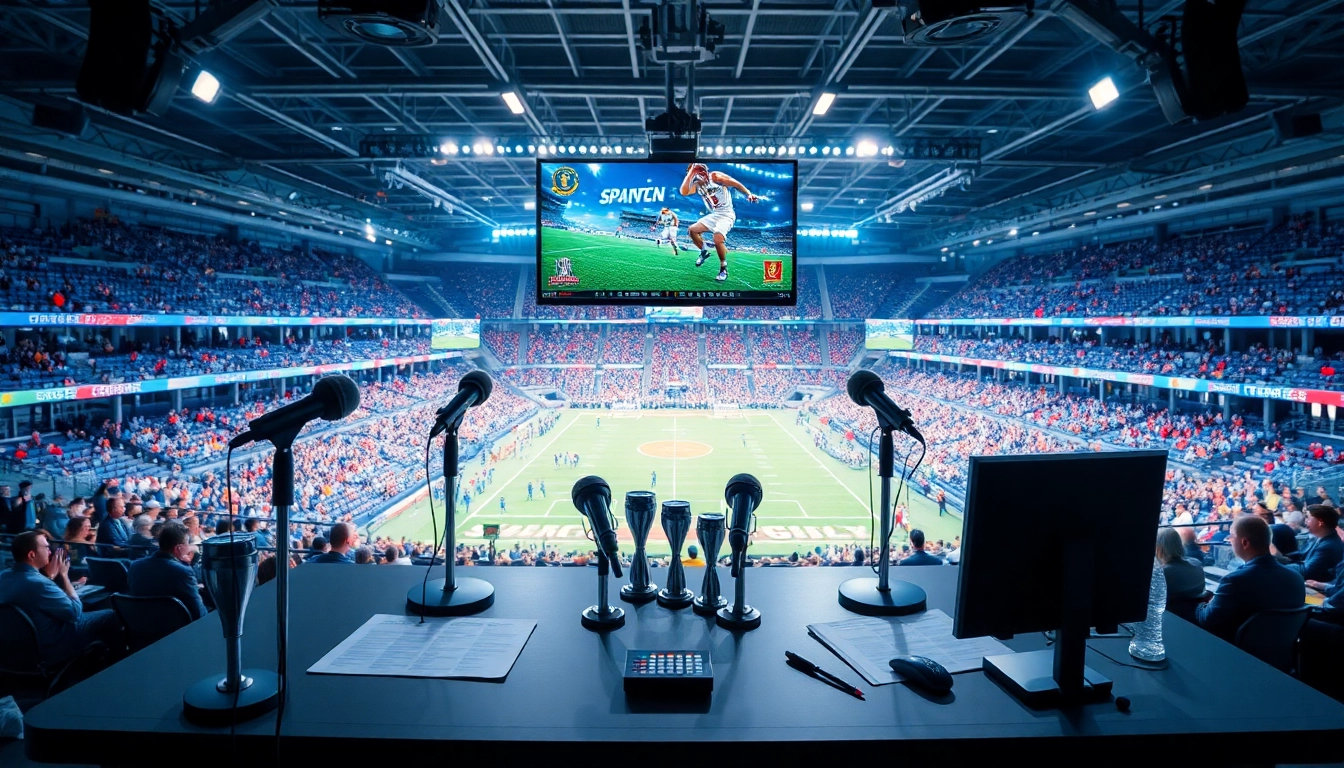
Understanding Sports Broadcasting
What is Sports Broadcasting?
Sports broadcasting refers to the dissemination of sports events over various media platforms, including television, radio, and online streaming. This sector encompasses live commentary, analysis, and highlights of sporting events, aiming to engage fans and provide them with real-time coverage. The world of sports broadcasting has evolved considerably, especially with the advent of technologies enabling greater accessibility and more interactive viewing experiences. As a primary source of entertainment, Sports Broadcasting plays a crucial role in promoting athletic talent and shaping sports culture globally.
History of Sports Broadcasting
The history of sports broadcasting can be traced back to the early 1920s when radio programs began providing live sports coverage. The first-ever sports event broadcast on radio was a boxing match between Johnny Dundee and Johnny Kilbane. This marked the dawn of a new era in sports consumption.
Television took broadcasting to another level in the 1950s, with iconic events such as the Summer Olympics capturing audiences' attention worldwide. The 1980s and 1990s saw the introduction of cable networks and satellite channels, further expanding viewership. Today, sports broadcasting is characterized by multi-platform delivery, instant replays, and interactive features, demonstrating an unending evolution and adaptation to audience preferences.
The Role of Technology in Sports Broadcasting
Technology has significantly transformed the landscape of sports broadcasting, enhancing the viewer experience. The introduction of high-definition (HD) and ultra-high-definition (UHD) televisions has shifted expectations regarding picture quality. Moreover, innovations like drones and GoPro cameras provide unique angles and perspectives that were previously unattainable.
Additionally, the use of graphics, simulations, and augmented reality (AR) has made broadcasts more engaging. Technologies such as cloud computing enable broadcasters to handle real-time data analytics on game statistics, athlete performance, and viewer engagement metrics, further tailoring content to audience preferences.
The Importance of User Experience
How User Experience Shapes Audience Engagement
User experience (UX) is paramount in ensuring viewer loyalty and satisfaction in sports broadcasting. A well-designed interface, easy navigation, and quick access to live events significantly enhance viewer retention. With competition for audience attention at an all-time high, delivering seamless experiences across devices is vital.
Effective user experience involves understanding viewer habits and preferences. For instance, on-demand replays, personalized highlights based on viewing habits, and social media integration can create interactive and immersive experiences that keep viewers engaged and coming back for more.
Best Practices for Enhancing User Interaction
- Implementing user-friendly interfaces that prioritize ease of navigation.
- Utilizing analytics to personalize content recommendations for users.
- Encouraging social interactions, such as sharing moments on social media or engaging in real-time discussions during broadcasts.
- Offering multiple viewing options, including different camera angles and commentary choices.
By embracing these best practices, broadcasters can cultivate a more loyal audience base, optimize viewer satisfaction, and enhance overall engagement levels.
Case Studies of Successful Sports Broadcasting
Several sports organizations and broadcasters have successfully implemented innovative strategies to enhance viewer engagement. For example, the National Football League (NFL) has introduced features that allow fans to choose their preferred camera angles, thus creating a more personalized viewing experience. Major League Baseball (MLB) launched an app that provides real-time statistics and insights, enabling deeper audience interaction.
These initiatives demonstrate how adopting a user-centric approach in sports broadcasting can lead to increased viewership and higher levels of audience satisfaction.
Innovative Technologies in Sports Broadcasting
Leveraging Streaming Services
Streaming services have revolutionized the way sports are consumed, allowing fans to watch events live without traditional cable subscriptions. This change not only caters to a younger demographic but also provides flexibility in viewing options. Platforms can offer personalized content and advertisements tailored to individual users.
Moreover, as streaming technology continues to evolve, broadcasters can integrate interactive features such as live chatting or polls during events, further enhancing user engagement.
Virtual and Augmented Reality Applications
Virtual reality (VR) and augmented reality (AR) are emerging frontiers in sports broadcasting. VR allows users to immerse themselves in live sports events from unique locations, while AR can overlay data on real-life views, enriching the event experience with real-time stats and information.
These technologies not only elevate the viewing experience but also foster a deeper connection between fans and teams, ultimately reinforcing brand loyalty.
Analytics and AI in Sports Broadcasting
The integration of artificial intelligence (AI) and analytics is propelling sports broadcasting into a new era. AI can predict viewer preferences, automate highlight packages, and even assist in commentary through advanced algorithms. Broadcasts can leverage these insights to deliver targeted content, such as personalized clips to fans based on their viewing habits.
Analytics tools also help broadcasters gather data on viewer engagement. Understanding these metrics can shape future programming decisions and lead to improved content delivery.
Legal and Ethical Considerations
Rights Licensing in Sports Broadcasting
Licensing rights remain a critical aspect of sports broadcasting. Broadcasters must acquire the rights to air events, which often involves negotiating contracts with leagues or organizations. Understanding copyright laws and international regulations is essential to avoid legal disputes and maintain ethical standards in broadcasting.
Failure to secure proper licensing can result not only in fines but also in a damaged reputation and loss of viewer trust.
Intellectual Property Issues
Intellectual property rights are crucial in sports broadcasting, especially regarding branding and footage. Broadcasters must navigate the complexities of using logos, trademarks, or video clips owned by other entities to prevent infringement. Ensuring that broadcast material does not violate copyright laws is not only a legal obligation but also respects the creative work of others in the sports industry.
Maintaining Ethical Standards in Coverage
Ethical considerations are integral to sports broadcasting. Reporters and commentators must strive for accuracy, fairness, and impartiality, especially when covering sensitive topics such as player controversies or injuries. Transparency in reporting and a commitment to ethical journalism foster audience trust and uphold the integrity of the sport.
Future Trends in Sports Broadcasting
Impact of 5G Technology
The rollout of 5G technology is set to revolutionize sports broadcasting by providing high-speed internet access and reducing latency. This advancement will enable live streaming of events in real time, improving the overall viewing experience for audiences worldwide. The increased bandwidth allows for higher quality video streams, including 4K and augmented reality experiences, without buffering issues.
The Growth of Personalized Content
As data analytics and machine learning advance, the trend towards personalized content in sports broadcasting will intensify. Fans will receive custom-tailored viewing experiences, such as highlighted plays featuring their favorite players or unique commentary styles. This shift towards personalization is likely to drive further engagement and loyalty among viewers.
Sustainability in Sports Broadcasting
With increasing concerns about the environment and sustainability, sports broadcasting is beginning to address its carbon footprint. From adopting greener technologies in broadcasting equipment to promoting environmental initiatives among teams and leagues, broadcasters are stepping up to make a positive impact. Sustainability will become a significant factor influencing how sports events are produced and broadcasted.
Frequently Asked Questions
What is sports broadcasting?
Sports broadcasting is the distribution of sports events across media platforms like TV, radio, and the internet, providing real-time coverage and commentary.
How has technology impacted sports broadcasting?
Technology has enhanced sports broadcasting through HD/4K quality, real-time data analytics, and innovative features like AR and VR, enriching viewer experience.
Why is user experience crucial in sports broadcasting?
User experience is essential as it shapes audience engagement, enhancing customer loyalty and ensuring that viewers can easily access and enjoy broadcasts.
What ethical issues arise in sports broadcasting?
Ethical issues include maintaining accuracy, fairness, and respect for intellectual property while navigating rights licensing and sensitive topics involving athletes.
What are future trends in sports broadcasting?
Future trends include the impact of 5G technology, the growth of personalized content, and sustainable practices within the broadcasting industry addressing environmental concerns.
In conclusion, sports broadcasting is a dynamic field continually evolving with advancements in technology and shifts in viewer preferences. By understanding these elements, broadcasters can navigate the future landscape effectively.